Norman Silver Spur
Links |
History
Why You Should Learn to Square Dance!
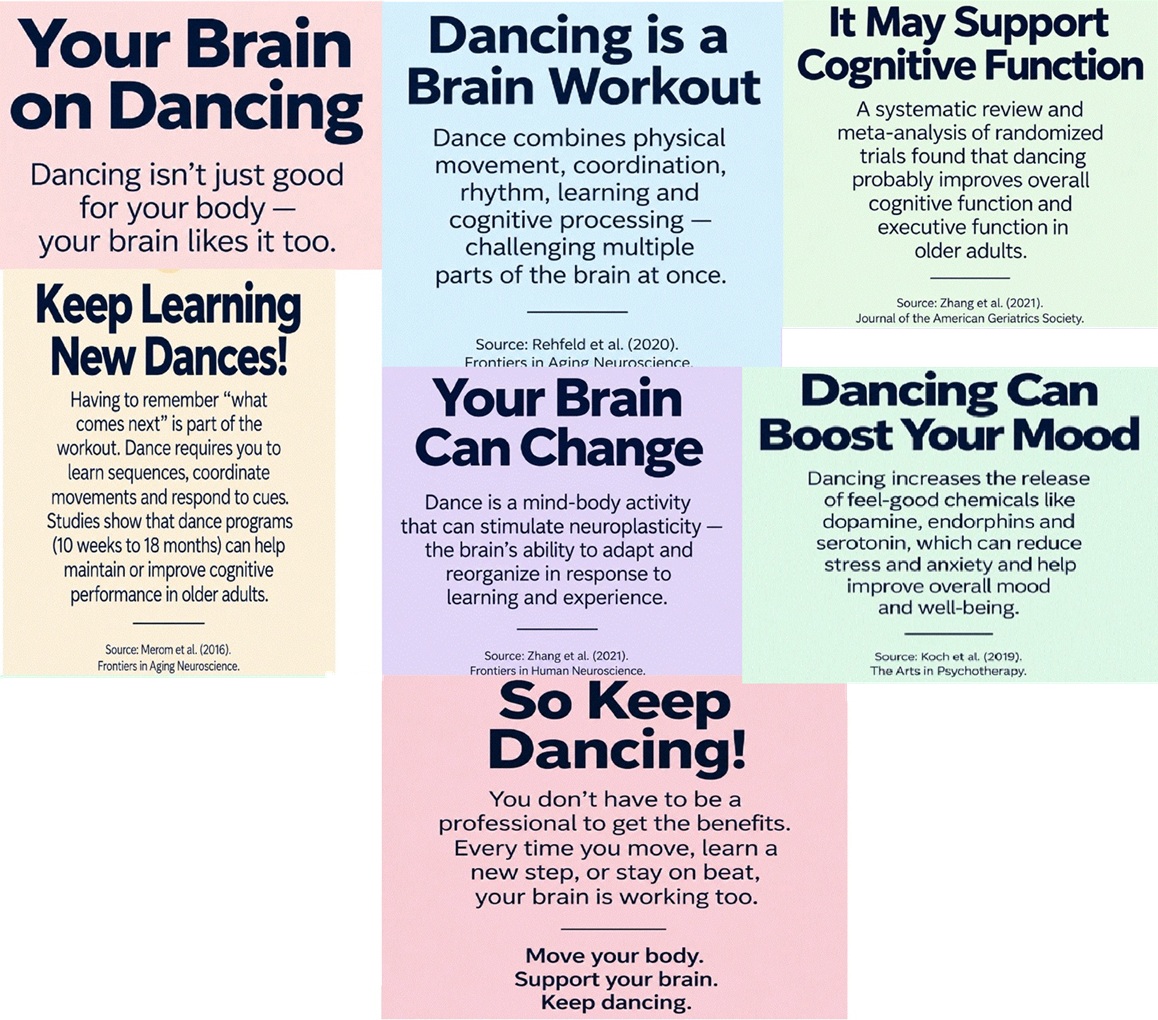
Especially since the Covid shutdown, we all need more connection with people. Connecting over a computer or phone screen is not real connection! Square Dancing is a social event. Your fellow dancers become lifelong friends and even more! They become your extended family!
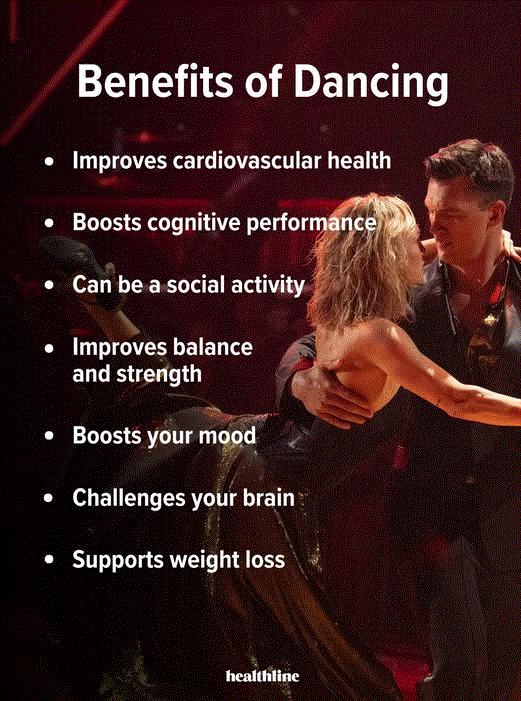
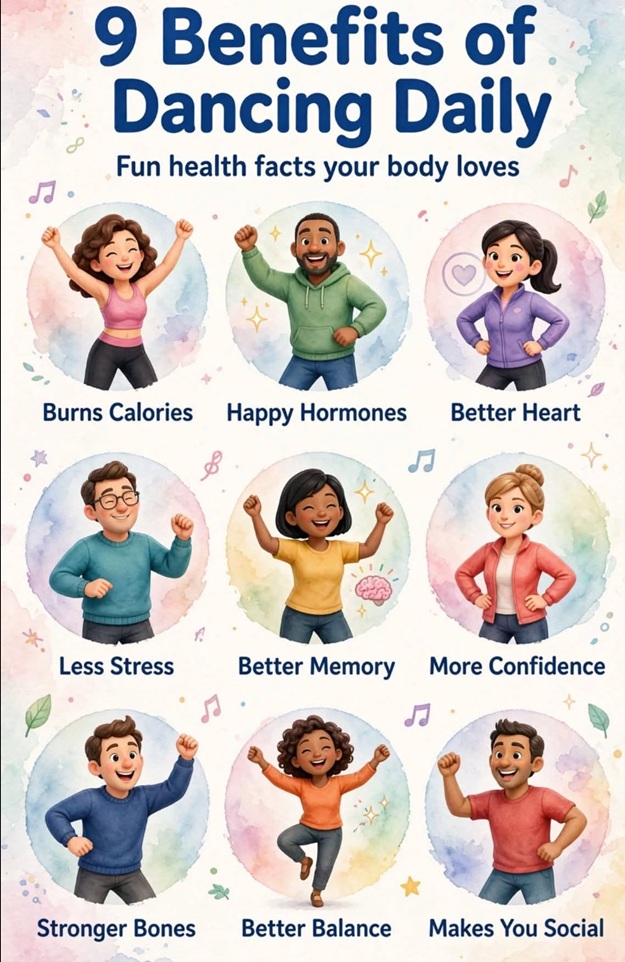
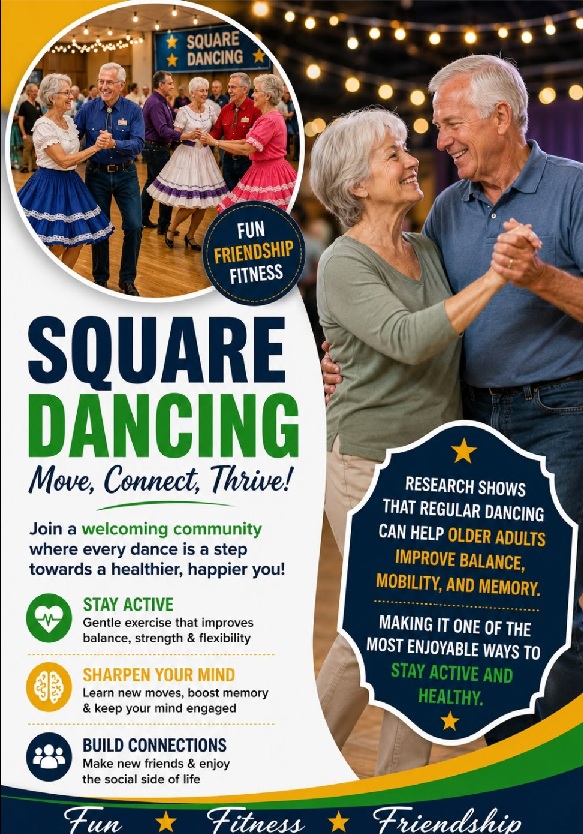
Dancing offers us a unique combination of physical, mental and social benefits that support overall health and well-being
Questions?
Bob Thomas, Caller
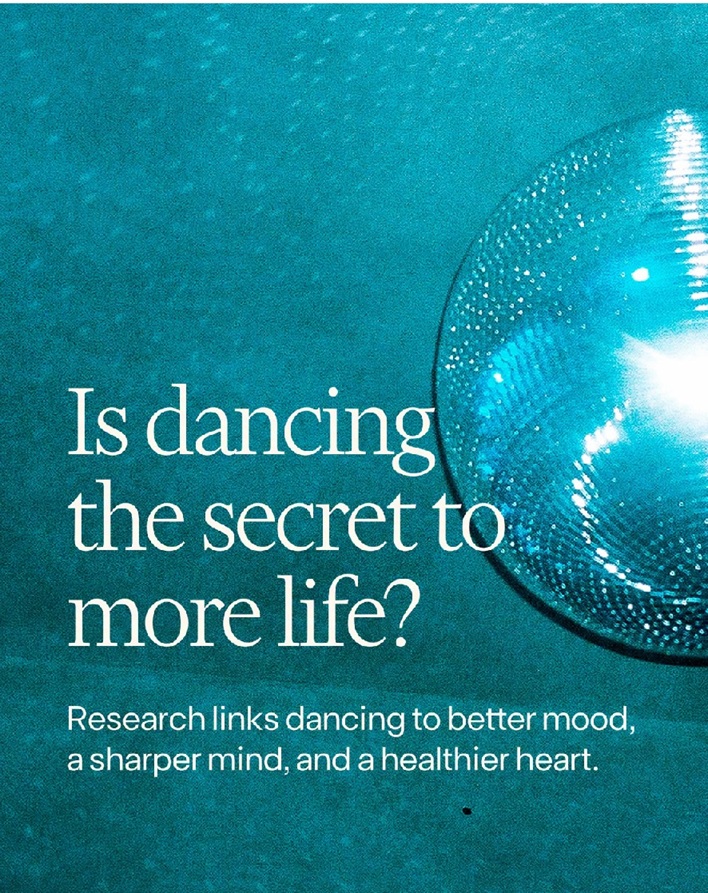
Dance Your Way to a Healthier Heart
Regular physical activity trains your cardiovascular system to expand the level of demand and increase its capacity, making your heart stronger and more efficient at moving oxygenated blood throughout your body and resulting in increased blood flow and volume to the heart. During aerobic exercise in particular, the cells in your body become better at turning oxygen into energy, yielding significant benefits to the heart and giving you more energy for everything else you do in your daily life. This is the primary reason why the American Journal of Cardiology suggests that aerobic training is the most efficient method of exercising to improve cardiovascular health.
We all know that exercise is good for us, but aerobic activities and activities involving other people are especially beneficial, making dancing the ultimate aerobic exercise. Whether you need a break from your normal routine or just do not like traditional workouts, dancing has something for everyone.
Because it involves movement in all directions and lots of accelerating and decelerating, dancing for cardio can burn up to 300 calories every half-hour, which is more than running, swimming, or cycling at a moderate pace, while the dopamine and endorphins released while dancing can help improve mood, mental clarity, and emotional health. By reducing the heart’s long-term exposure to emotional stress that weakens the heart muscle, you may be able to avoid certain forms of heart failure.
Dancing has also been shown to improve your lipid profile, a test cardiologists use to measure the different types of fat in your blood. Aerobic exercise like dance can increase your good high-density lipoprotein (HDL) cholesterol levels while helping to manage or lower the levels of bad low-density lipoprotein (LDL) cholesterol, the kind that contributes to plaque buildup in the arteries and can lead to heart disease.
Other benefits of dancing for cardiovascular exercise include:
No need for any equipment; you can dance anywhere!
Easy on the joints while improving bone density
Improved sleep and memory
Reduced risk of anxiety and depression
Reduced risk of type 2 diabetes
Improved immune function
Lower high blood pressure
Questions?
Bob Thomas, Caller

Square Dancing is out of this world!
There is something uniquely powerful about moving your body to music for hours.
Dancing combines physical activity with rhythm, emotion, memory, and social connection in a way that can feel completely different from a traditional workout. Music activates brain systems involved in reward and emotion, while movement can release endorphins and help shift attention away from repetitive thoughts and everyday stress. Following a steady rhythm can pull your focus back into the present moment, making you feel more connected to your body. When people dance together, synchronized movement can also strengthen feelings of belonging, connection, and shared experience. Long before neuroscience explored these effects, cultures around the world incorporated music and dance into celebrations, rituals, prayer, and community gatherings. After two hours of dancing, your legs might be exhausted and your body ready for rest but emotionally, you may walk away feeling lighter, calmer, and more alive.
Questions?
Bob Thomas, Caller
Dancing is therapy
No appointment needed just a good song and a little courage to move.
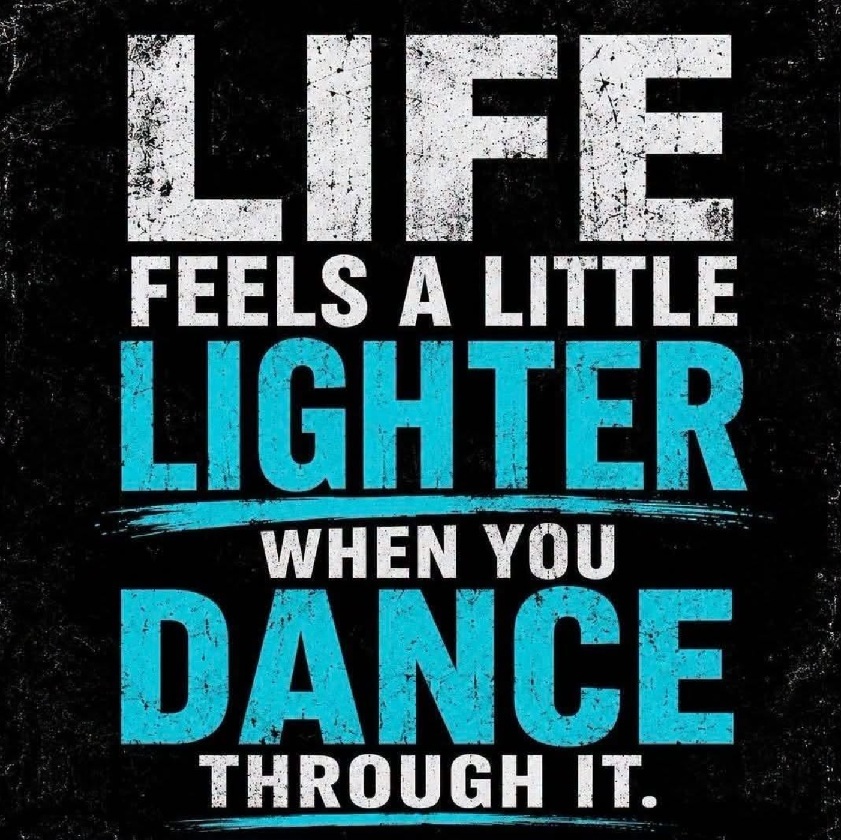
Every dance session is a mood booster, a stress reliever, and a reminder not to take life too seriously. It gets the endorphins flowing, helps you shake off the days worries, and leaves you feeling lighter, happier, and more confident.
So if you are feeling stuck, overwhelmed, or just need a little sparkle in your day... turn the music up and dance it out.
Your mind, body, and soul will thank you.
Questions?
Bob Thomas, Caller
A new study reveals that dancing is one of the best forms of treatment for depression. Yes, even better than medication.
It is not that exercise beats out SSRIs for depression treatment, but that *just* dancing has the largest effect of *any treatment* for depression. That is kind of beautiful, scientist and author Erik Hoel wrote of the work.
After analyzing 218 studies involving over 14,000 participants, the researchers found that dancing outperformed other physical activities, such as walking, jogging, yoga, and strength training. While the effectiveness of exercise varied across demographics, dance consistently stood out as the top activity for reducing symptoms across all groups.
It offers not only physical benefits but also emotional release, increased neurotransmitter activity, and enhanced mindfulness. Whether grooving alone at home or in a social setting, dancing may be a powerful, underutilized tool for mental health.
Questions?
Bob Thomas, Caller

Did you just wake up to an Empty Nest?
Did you look across the breakfast table and see a stranger?
For twenty plus years your entire life was wrapped up in your children.
Square Dancing is a great place to rekindle your relationship with your significant other.
Find yourself and the one you love at a Square Dance near you!
Live Lively Video!
Square dancing is an excellent exercise to help stave off the progression of Parkinson's disease. While traditional neuro-dance research heavily highlights styles like the Argentine Tango or Waltz, square dancing naturally bundles all the exact therapeutic "ingredients" that neurologists look for in a Parkinson's workout.
In fact, square dancing targets the brain and body through a unique combination of physical, cognitive, and social demands:
1. It Uses "External Auditory Cueing"
One of the most challenging symptoms of Parkinson's is bradykinesia (slowness of movement) or "freezing" of gait. In square dancing, a caller explicitly directs your next move over a rhythmic musical beat. This acts as an external auditory cue. It bypasses the damaged basal ganglia (the part of the brain that struggles to initiate internal movement) and utilizes the auditory cortex to keep your body shifting, stepping, and moving smoothly.
2. High-Level Cognitive Brain Training
Unlike walking on a treadmill or riding a stationary bike, square dancing cannot be done on autopilot. You have to listen to the caller, recall what steps correlate to commands like "do-si-do" or "promenade," and rapidly execute those decisions in real-time. This heavy reliance on executive function, spatial awareness, and memory sequencing acts as a powerful shield against the cognitive decline associated with the disease.
3. Multi-Directional Agility & Weight Shifting
Parkinson's heavily impacts balance, increasing the risk of backward falls. Square dancing forces you to move fluidly in multiple directions—forward, backward, sideways, and in circles—while constantly shifting your weight from one foot to another. This replicates the task-specific strategies taught in professional physical therapy.
4. Built-In Social Connection
Social isolation and apathy are very common non-motor symptoms of Parkinson's. Because square dancing inherently requires a group of eight people working in sync, it provides built-in community, laughter, and a sense of shared accomplishment. This social bonding triggers dopamine and serotonin release, boosting mood and mental well-being.
Questions?
Bob Thomas, Caller
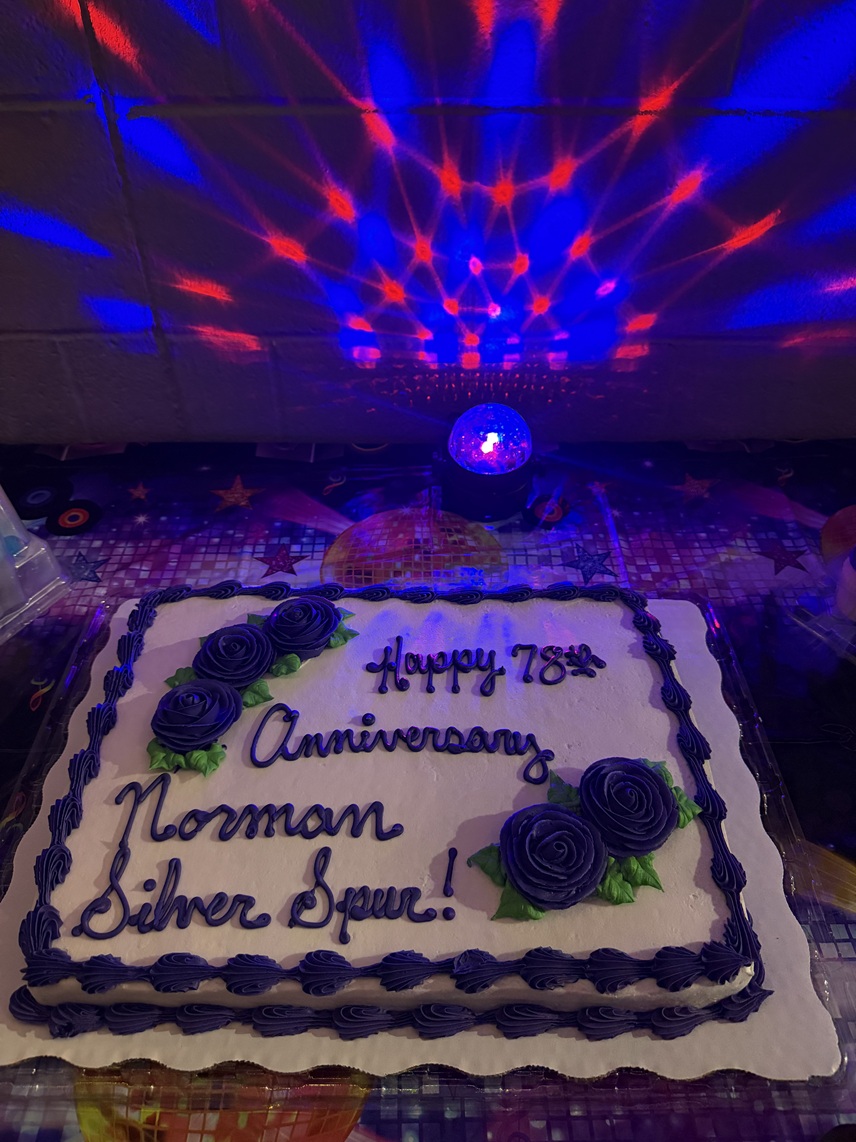
Norman Silver Spur 78th Anniversary!

Our Diamond Anniversary! 60 Years!
Norman Silver Spur Square Dance club was founded in 1948. We dance the 1st and 3rd Saturdays at the 12th Avenue Recreation Center 1701 12th Ave NE, Norman, OK 73071.
Our dance begins at 7:00 PM. We have snacks and finger foods throughout the dance. Come join us and have some fun!


To contact us:
Bob Thomas, Caller